August 10, 2026
Paved surfaces represent significant structural investments for residential homeowners and commercial property managers alike. Achieving maximum durability and performance from asphalt requires a thorough understanding of foundational preparation, environmental pressures, and routine maintenance techniques. Working alongside an experienced paving contractor ensures that every phase of pavement construction—from initial excavation to final rolling—is executed to exact industry standards. Proper planning mitigates common structural vulnerabilities, safeguards smooth travel lanes, and maintains robust surface integrity over many seasons of heavy vehicle traffic and harsh seasonal weather.
Building resilient asphalt surfaces involves far more than simply spreading hot asphalt mix across a driveway or parking lot. Long-term durability stems from climate-informed engineering, effective water management, high-grade aggregate selection, and proactive surface protection. Understanding the specialized methods employed by an established paving contractor helps property owners make informed decisions about their surface investments. By applying specialized installation practices and routine maintenance, paved environments can easily withstand continuous mechanical stress while retaining an attractive appearance for many years.
Evaluating Site Conditions and Base Stability
Every successful paving project begins with a comprehensive evaluation of the existing subgrade and soil conditions. Ground stability directly dictates how well an asphalt surface supports heavy vehicular loads without settling or shifting over time. Qualified contractors analyze soil composition and moisture retention levels to determine whether the existing ground requires excavation, compaction, or subgrade stabilization. Without a firm, stable base, even high-quality hot-mix asphalt will eventually suffer from structural sagging, rutting, and premature cracking.
In regions subject to severe climate variations and deep frost cycles, natural soil layers undergo expansion and contraction throughout the year. A skilled paving contractor evaluates these geographical factors during initial site planning to engineer a resilient foundational layout. Properly grading the underlying ground ensures uniform weight distribution and creates a dependable subgrade capable of supporting routine vehicular weight. Thorough site preparation establishes the necessary structural foundation, allowing subsequent asphalt layers to bond effectively and resist sub-surface shifts over long operational periods.
Managing Water Drainage and Surface Runoff
Standing water remains one of the primary causes of premature asphalt failure across all property types. When moisture penetrates beneath the surface layer, it weakens the aggregate base, leading to structural failures and subsurface erosion. Designing effective water channels, slope grades, and drainage systems is essential during the initial layout process. By directing rainwater and snowmelt away from the pavement edge, proper drainage prevents standing water, minimizing the risk of severe sub-base softening and surface deterioration.
Routine upkeep of catch basins, drainage ditches, and culverts remains vital for maintaining clear water channels. When debris clogs these channels, runoff accumulates along the edges, infiltrating underlying layers and accelerating asphalt degradation. An experienced paving contractor designs pitch profiles that encourage natural surface runoff while preventing standing water accumulation. By combining proper slope design with regular maintenance of drainage pathways, property managers keep their paved surfaces dry, stable, and protected against severe freeze-thaw cracking cycles.
Executing Precise Asphalt Installation Techniques
Proper installation of hot-mix asphalt demands exact temperature control and precise compaction practices on every project. Hot asphalt must be laid and rolled within specific thermal ranges to ensure complete particle binding and adequate structural density. Rapid cooling during application can create internal air voids, which weaken the pavement structure and permit moisture penetration. Professional paving crews continuously monitor material temperatures during placement, ensuring that every pass of the heavy roller yields maximum density and surface uniformness.
Layer thickness also plays a crucial role in determining the overall strength and flexibility of paved surfaces. A reliable paving contractor customizes asphalt layer thickness based on anticipated vehicle weights and daily traffic volume. Driveways, commercial parking bays, and heavy haul corridors each demand specific binder mixes and course depths. Applying hot mix in balanced, well-compacted layers prevents premature surface deformation, ensuring that the completed pavement handles continuous traffic without forming deep ruts or structural depressions.
Protecting Pavement Through Strategic Sealcoating
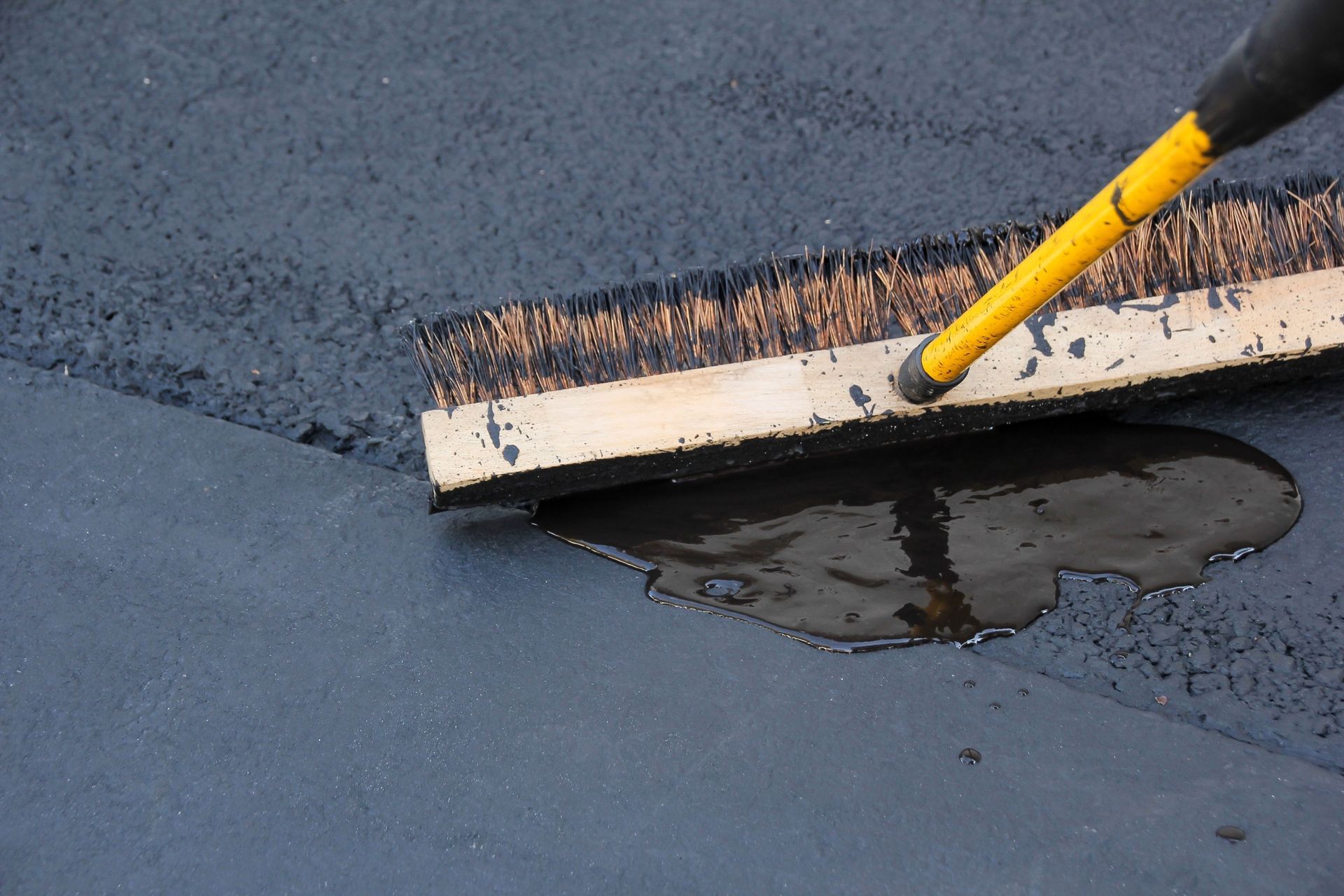
Exposing bare asphalt to ultraviolet radiation, oxygen, vehicle fluids, and heavy rain slowly strips away the essential bituminous binders that keep aggregate materials locked together. Over time, oxidized asphalt turns gray, becomes brittle, and develops microscopic surface fractures across the top layer. Applying a specialized protective sealcoat shields the surface against environmental degradation, creating a protective barrier that locks out moisture and prevents chemical damage from automotive oil and gas leaks.
Routine sealcoating acts as a crucial defensive barrier that significantly extends the functional lifespan of paved driveways and commercial parking lots. According to home improvement authority This Old House, routine application of protective sealant can extend the structural lifespan of asphalt surfaces to anywhere from 15 to 20 years. Partnering with a professional paving contractor for scheduled sealcoating treatments keeps binder materials flexible, restores a rich dark appearance, and prevents early surface breakdown caused by constant weather exposure.
Repairing Surface Defects and Structural Cracks
Prompt attention to minor surface defects prevents small issues from escalating into structural failures. Hairline cracks allow rainwater to seep down into the base materials, where freeze-thaw expansion widens the gaps and destroys structural support. Utilizing specialized crack sealing materials fills these surface fissures, sealing out moisture and stabilizing the surrounding asphalt before deep structural deterioration takes hold. Regular inspection enables property owners to address small cracks before they multiply across the pavement.
When moisture penetration and heavy vehicle weight combine to create severe surface failures, targeted asphalt repairs become necessary. Addressing potholes through professional patching techniques, surface milling, or full-depth asphalt restoration stops localized damage from spreading across adjacent pavement. A dedicated paving contractor inspects distressed sections, cleans out loose debris, applies tack coat adhesive, and compacts fresh hot-mix asphalt to seamless surface alignment, restoring safety and structural integrity to the area.
Incorporating Quality Aggregates and Resurfacing Solutions
The quality of raw aggregate materials selected for asphalt mixtures plays a defining role in overall pavement performance. High-grade crushed stone, sand, and gravel provide essential mechanical interlocking that resists surface displacement under heavy wheel loads. Polymer-modified asphalt binders further increase surface elasticity and thermal stability across changing seasons. These specialized material blends help pavements absorb extreme temperature changes without cracking during winter freezes or softening during intense summer heat.
When an existing asphalt driveway or parking lot displays generalized surface wear while retaining a sound structural foundation, complete excavation may not be necessary. Professional asphalt resurfacing involves milling off the worn top layer and applying a fresh asphalt overlay over the existing base. This specialized resurfacing process restores smooth riding quality, enhances structural depth, and revitalizes surface aesthetics, serving as an effective maintenance strategy for aging residential and commercial properties.
Maximizing the operational lifespan of asphalt pavements requires a comprehensive strategy combining thorough subgrade evaluation, proper drainage engineering, high-quality material selection, and routine preventive care. Addressing small cracks, maintaining clear runoff channels, and applying protective sealants prevents environmental elements from eroding structural foundations. Through proper planning and meticulous installation techniques, property managers can maintain durable, smooth, and safe paved environments for many years.
Investing in professional installation and routine surface maintenance ensures that residential driveways, commercial parking lots, and municipal roadways remain structurally sound under continuous traffic. Partnering with skilled professionals guarantees that every phase of pavement management meets rigorous industry standards for long-lasting durability. Contact us at People's Choice Paving today to schedule a consultation with our expert team.